
Kyra Strasberg
Boston Ballet, 1996
Kyra Strasberg, Principal
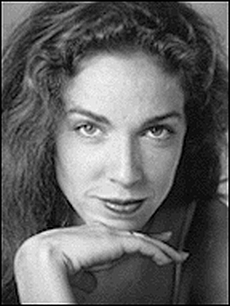
Kyra Strasberg, from Columbia, South Carolina, joined Boston Ballet in 1985. She was appointed soloist in 1990 and principal in 1997. She has danced many lead roles, including Odette/Odile in Swan Lake ...
Read more
Kyra Strasberg, from Columbia, South Carolina, joined Boston Ballet in 1985. She was appointed soloist in 1990 and principal in 1997. She has danced many lead roles, including Odette/Odile in Swan Lake, Palmyra in Bournonville's Abdallah opposite international star Fernando Bujones, Fate in Choo San Goh's Romeo and Juliet, the Queen of the Dryads, the Spanish Woman, and the Bridesmaid Soloist in Don Quixote, the Dew Drop Fairy, the Sugarplum Fairy, and the Snow Queen in The Nutcracker, the Lilac Fairy in The Sleeping Beauty, the Fairy Godmother and the Tall Stepsister in Cinderella, Titania in A Midsummer Night's Dream, the Pastorale in La Sonnambula, a Sylph Solo in La Sylphide, Bathilde, Myrtha, and Moyna in Giselle, Prayer in Coppilia and Medora in Le Corsaire.
She has had principal roles in Lark Ascending, Paquita, Le Corsaire, Balanchine's Symphony in C, Capriccio for Piano and Orchestra, Concerto Barocco, Agon, Tchaikovsky Piano Concerto No. 2, Serenade, Who Cares?, and Mozartiana, Twyla Tharp's In The Upper Room, Susan Marshall's Overture, Sir Frederick Ashton's Monotones II, Anna-Marie Holmes' staging of Glazounov Classique, Paul Taylor's Company B, Lucinda Hughey's The Nightingale, and Daniel Pelzig's 1998 World Premiere set to music by George Gershwin, The Princess and The Pea and Passage. Ms. Strasberg's repertoire also includes John Cranko's The Taming of The Shrew, James Kudelka's Alliances, Balanchine's Square Dance, and Theme and Variations, Mark Morris' Mort Subite, Jiri Kylian's Symphony in D, Fernando Bujones' Raymonda, Maurice Bejart's Le Sacre du Printemps (Rite of Spring), Danny Buraczeski's World Premiere By The Horns, and Lila York's World Premiere Celts.
In 1983, Ms. Strasberg, while studying at Boston Ballet School, became a member of Boston Ballet II. Her repertoire included Bruce Wells' Big Top and Adam Variations, Chinese Folk Dances, and the female principal role in Richard Dickinson's Unceasing Play.
Ms. Strasberg danced in the 2nd New York International Ballet Competition in 1987 and the IV USA International Ballet Competition in Jackson, Mississippi in 1990. She performed with Nureyev and Friends in the Pas de Six from Napoli in 1991. Ms. Strasberg has appeared as a guest artist with Columbia City Ballet, performing Fokine's Dying Swan and the Bluebird Pas de Deux. She has been a guest artist in Black Swan with Charleston Ballet, in Who Cares? and Jewels with Cincinnati Ballet. For Jewels she was chosen and coached by Suzanne Farrell. In 1994 Boston Magazine featured Ms. Strasberg as one of Boston's most alluring woman. Recently, she was chosen as one of Boston's 10 most alluring women by Chanel to promote their Allure perfume.
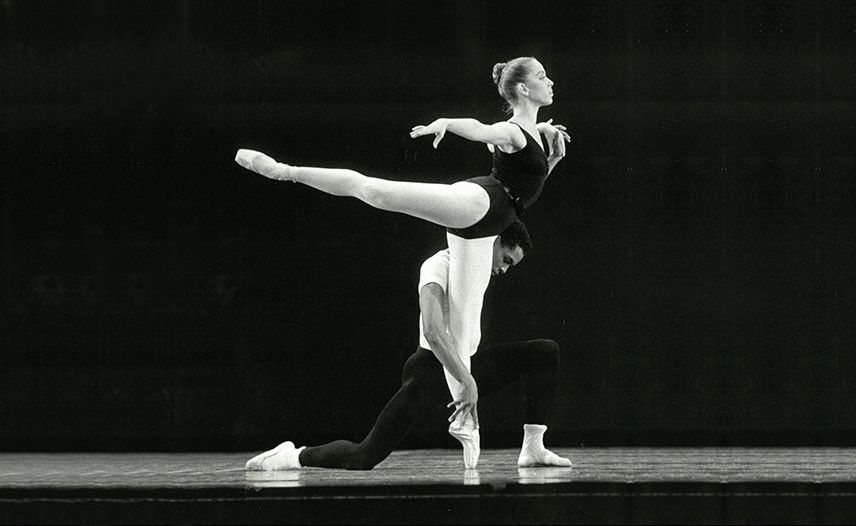
Kyra Strasberg and Geoffrey Rhue in George Balanchine's Agon©The George Balanchine Trust source.
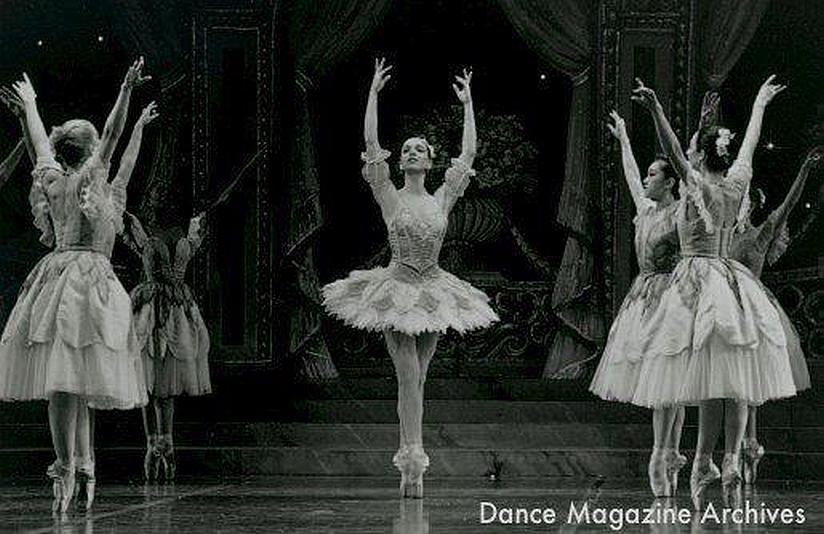 Kyra Strasberg in Boston Ballet's Nutcracker, Photo Jaye Phillips. source
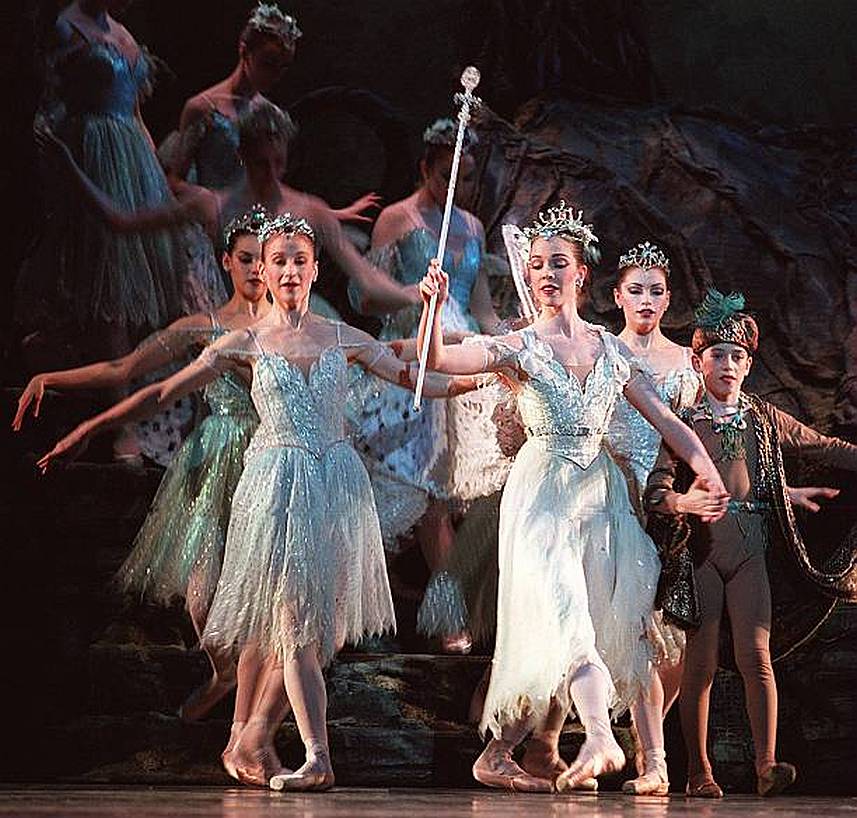 Kyra Strasberg as Tatania leads her entourage in Boston Ballet's "A Midsummer Night's Dream."
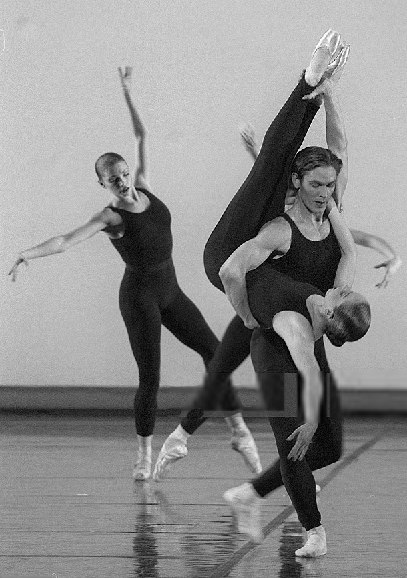
Laszlo Berdo and Kyra Strasberg dance during "Contra Pose." (Photo by Pat Greenhouse)
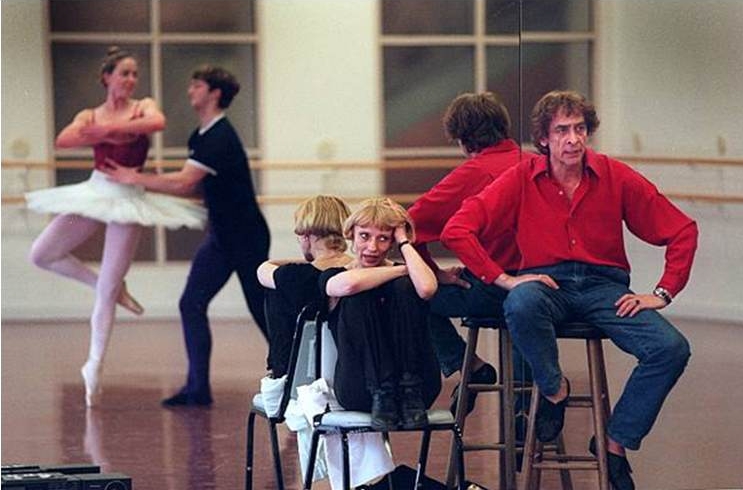 Kyra Strasberg and Zachary Hench rehearsing Swan Lake with Tatiana Terekhova and Sergei Berezhnoy (Boston Ballet, 1998) source
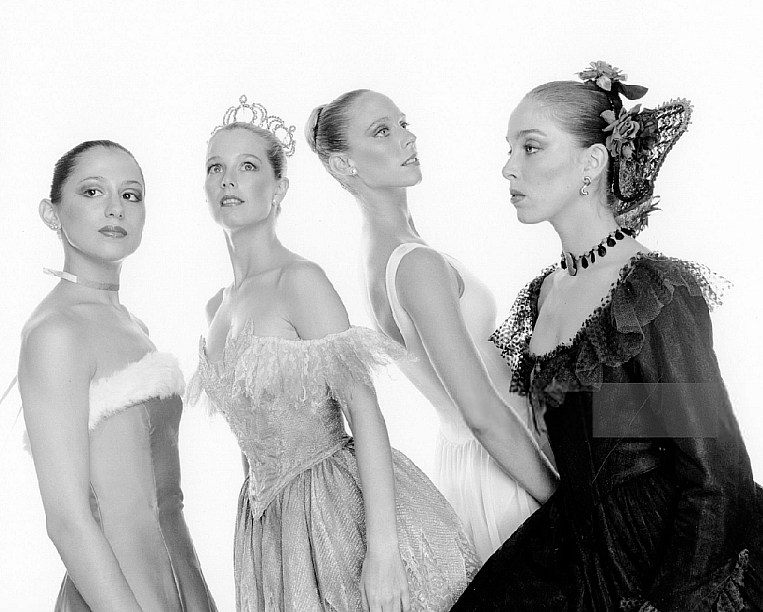
Susanna Vennerbeck, Natasha Mac Aller, Lynn Cote, and Kyra Strasberg. (Photo by Jack Mitchell)
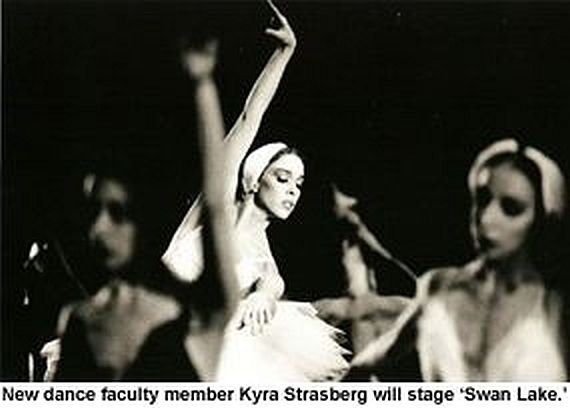
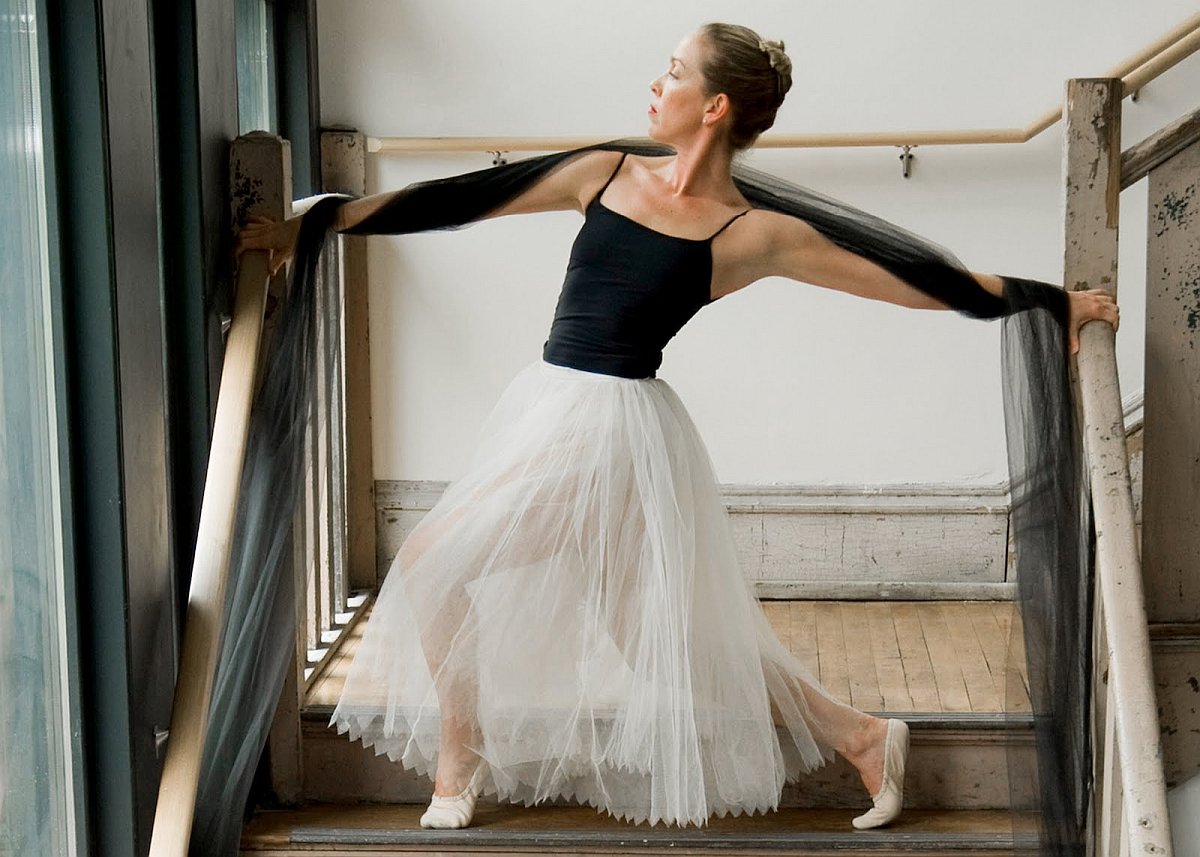
source

South Carolina Summer Dance Conservatory Ballet & Contemporary Intensives
Kyra Strasberg
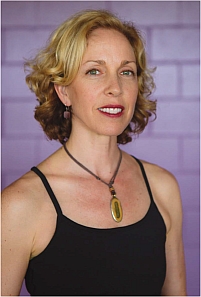
When Dorita Strasburger was 17, she traveled from her home in Columbia, South Carolina to Boston, Massachusetts to dance for the summer. Years later, she would return as Kyra Strasberg to fill a position at the University of South Carolina. ...
Read more
When Dorita Strasburger was 17, she traveled from her home in Columbia, South Carolina to Boston, Massachusetts to dance for the summer. Years later, she would return as Kyra Strasberg to fill a position at the University of South Carolina.
In the years in between, Strasberg would ascend the ladder of professional dance at the Boston Ballet, rising to the rank of Principle dancer and retiring as such. Hard working, independent, and determined, the ballerina’s journey was not an easy one.
Strasberg began her training in Columbia at Calvert Brodie with the Godmother of Carolina Ballet, Ann Brodie, and like many of her peers, traveled during summers to train with prestigious companies and schools such as Houston Ballet and the School of American Ballet that feeds into the New York City Ballet. Upon the recommendation of classmate and future Ballerina of the Columbia City Ballet, Mariclare Miranda, Strasberg attended the Summer Dance Program at the Boston Ballet the summer after she graduated high school from Heathwood Hall.
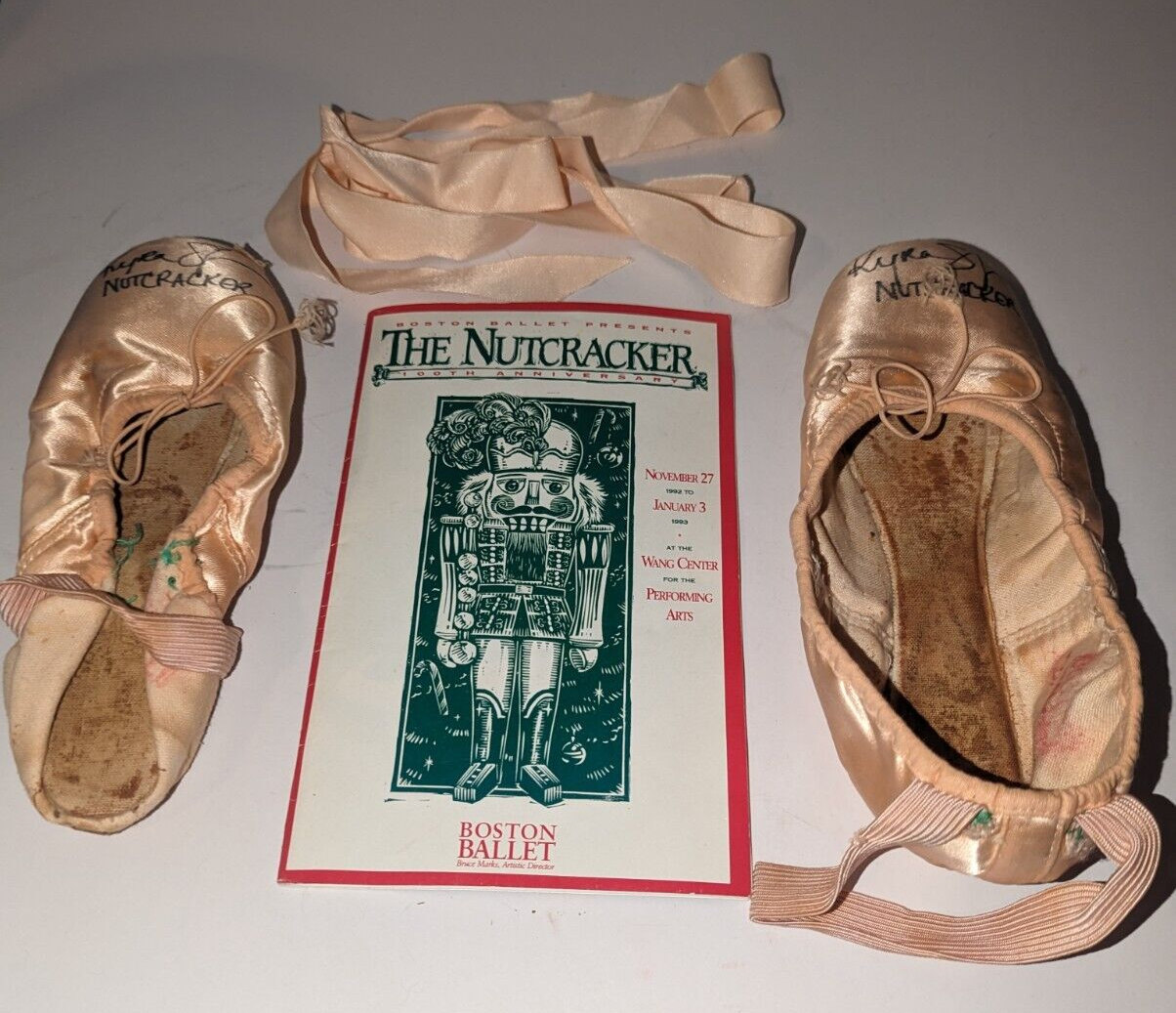
From the beginning, Strasberg’s parents encouraged the young dancer to take charge of her future and goals, insisting that she be the one to communicate her intentions and dedication to the powers that be—advice she took to heart. When Strasberg attended the summer program at the Boston Ballet, it was she who took it upon herself to demonstrate, by taking extra classes and seeking guidance from her instructors, her intentions to be accepted as a year-round student. She recalls being pulled aside by Bruce Wells, director of the program and future assistant director of Boston Ballet, and told that her work had been noticed and they would see if she could “keep it up.” Strasberg accepted the challenge, was moved to the highest level, and by the end of the six week course was invited to stay on. The young spitfire had set her sights on a contract with the Boston Ballet and when founder and then Artistic Director E. Virginia Williams suggested she change her name she was more than happy to comply, bidding farewell to a name that had earned bullying and jokes throughout her childhood. She settled on the name Kyra and when the printer left off the closing “er” in her first Nutcracker program, she became Kyra Strasberg.
That first year, Strasberg became an apprentice with the company, getting her first exposure to the choreography of the “godfather of American ballet,” George Balanchine when she was selected to understudy the 1946 ballet The Four Temperaments, (and losing her skirt onstage in the Czardas in the ballet Coppelia.) Wells created a group of young dancers he called the “Ensemble,” training and coaching them intensively apart from their older more experienced counterparts. Strasberg fondly remembers Saturday work sessions with Wells and her fellow ensemble members. She credits him with teaching her how to move and “what it meant to be a dancer.” Always inquisitive, Strasberg sought advice from her superiors.
When Bruce Marks was brought in to take the artistic reigns of Boston Ballet in January of 1985, Strasberg was the only ensemble member hired. She developed a tutorial relationship with the former Metropolitan Opera Ballet, American Ballet Theatre, and Royal Danish Ballet principle who maintains still that she was the first person he hired. Strasberg remembers Marks, protégé of Antony Tudor, as being well-read and a “complete artist,” constantly furthering his education and understanding. Strasberg says that Marks is responsible for teaching her how to be an artist by setting the story and “conjuring” imagery instead of simply executing steps. He stressed the importance of the spirit of the dancer as opposed to pure athleticism. Dance did not have to be visceral and showy, but could be in the smallest, most simple movements that create a character. She remembers Marks saying, “[ballet] class is your church, your temple.”
While under Marks’s artistic leadership, Strasberg had the opportunity to work with Mark Morris, Twyla Tharp, and original members of the Ballet Russe. She maintained open lines of communication with the director and when she was offered a contract to the San Francisco Ballet, he countered with a promotion to soloist. Strasberg competed at the New York International Ballet Competition and had the privilege of being coached by the likes of Kirk Petersen and Frederick Franklin on variations from Swan Lake, Flower Festival, and Blue Danube. Of the many roles she performed she counts “Fate” in choreographer Choo San Goh’s 1984 Eastern version of Romeo and Juliet, the female lead in Marks’s The Lark Ascending, and Twyla Tharp’s athletic In the Upper Room amongst her favorites. Strasberg remembers her performance of The Lark Ascending as the first time Bruce Marks seemed to fawn over her. The ballet drew a standing ovation and members of the audience say they’ll never forget her performance. A similarly memorable though less enjoyable moment came when Strasberg, slated to perform in Tharp’s In the Upper Room, came down with a case of Hepatitis from bad shellfish. Strasberg went home for a few weeks to recover while her understudy was brought up to speed on the role. As she was sitting in the audience at the premier, her replacement fell within minutes of the start of the ballet, breaking her wrist and running off stage. Strasberg ran backstage, was changed in the wings, and flew onto stage, caught mid-air in the arms of a partner she hadn’t seen in nearly a month.
Strasberg talks about the challenges and intricacies of changing a feeling of a character with the treatment of the steps. It’s the dancer’s job to internalize and then physicalize, moving the energy through the body, she explains. In Swan Lake for instance, she describes the femininity and softness of the White Swan as contrasted by the crispness, attack, and at the same time sultry treatment of the Black Swan. The way you execute the steps makes it easier to convey the feeling, she concludes. When Strasberg was promoted to Principle dancer with Boston Ballet, she was sent flowers from hard to impress first teacher Ann Brodie whom, she says, had never taken notice of her before. She remembers thinking, “Where do I go from here?”
Looking back, Strasberg cites the challenges of keeping a positive self-image and battling the ever-lurking feelings of self doubt as the most difficult parts of being a dancer. Fighting to keep these feelings at bay, particularly during slow times in a dancer’s career, is difficult but essential. Slow is not always bad, she advises. In total contrast, Strasberg considers the physical challenges of being a professional dancer among the highlights. She recalls loving the feeling of being so fit and alive and feeling that, “fingers to toes you are the art.” If you apply yourself, you will get results. “You can’t go wrong,” she says, “but you have to have the fire.”
Upon her retirement from the Boston Ballet in 2000, Strasburg danced briefly with Suzanne Farrell, long-time advocate and teacher, but soon decided to direct her energies elsewhere. Having been introduced to the practice of yoga in 1999, Strasburg soon devoted much of her time to the study and practice. For her, yoga made sense. “Dancers are always trying to be someone else,” she says “you have to transcend yourself.” Strasburg began studying with Rolf Gates, who encouraged students to “be a calm center” and find who they want to be. She went on a retreat, was hooked, and began teaching. Strasberg continued training, was certified in Pilates and ultimately in yoga.
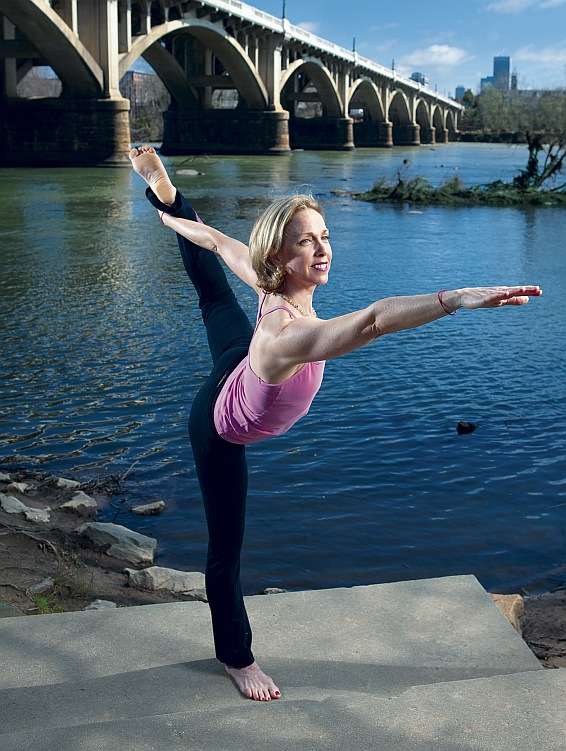
In 2007, she took the position of Distinguished Artist in Residence at the University of South Carolina, and moved back to Columbia. She calls the city a great place to raise children. Her daughters Mary and Caroline, nine and seven respectively, are her spitting image. In 2011, Strasberg opened her own Hot Vinyasa studio called Yoga Masala. She loves the idea that with yoga you can have a room full of people in their own world and their own life, yet they are all practicing together. “Yoga is for everyone,” she says. Strasberg has many plans for her bustling studio, but as for herself, she plans simply to “Enjoy the sweetness of this present.”
Photo by Forrest Clonts.
Source. Appeared in Jasper Magazine. Published on May 23, 2013.


Boston Ballet (1990)
A living legend dances in Boston;NEWLN:Bolshoi Ballerina Maya Plisetskaya